







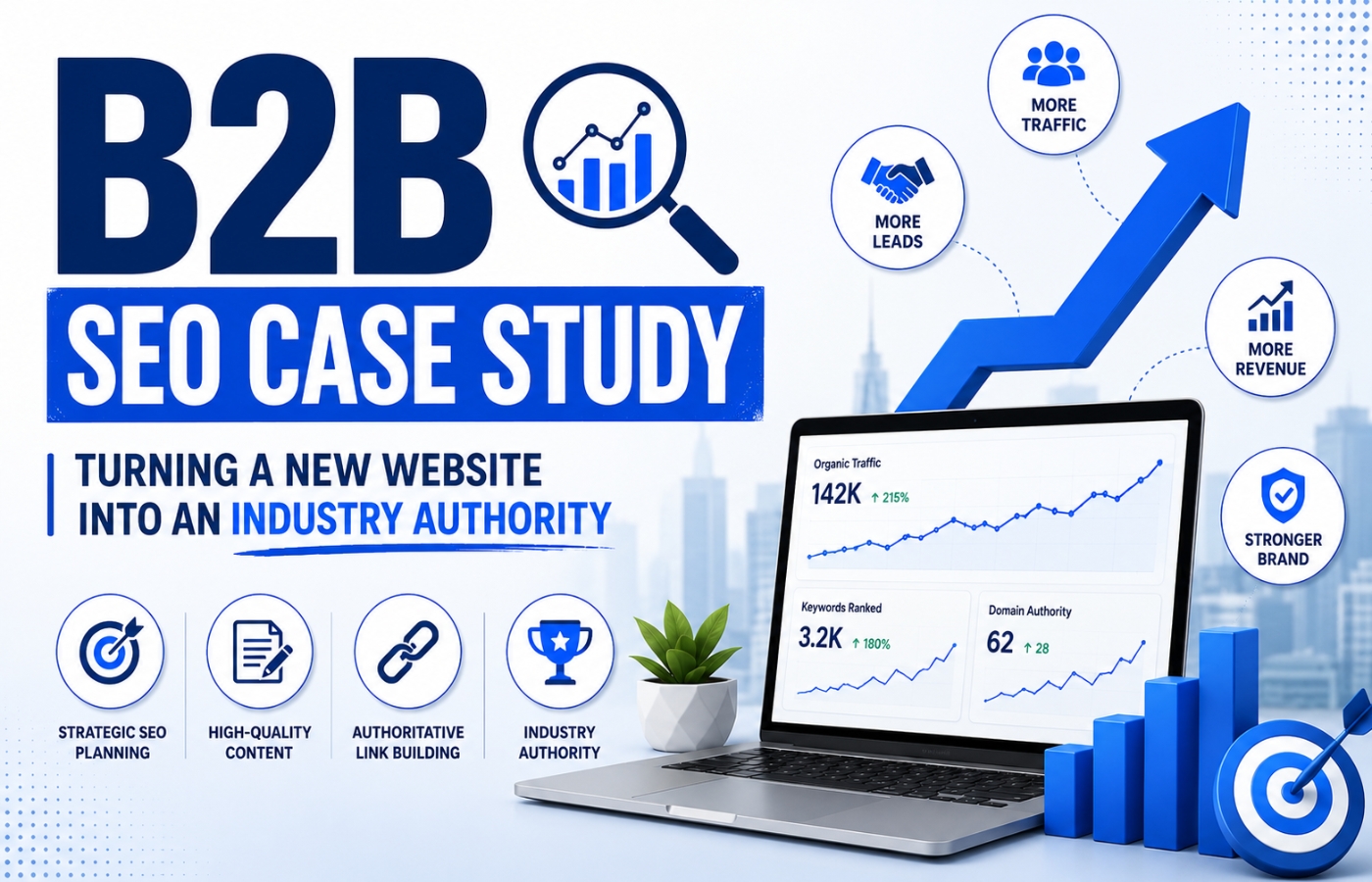
B2B SEO Case Study: Turning a New Website into an Industry Authority
A recent B2B SEO case study on a fresh domain with zero backlinks shows that you don’t need a legacy brand to dominate search results. Whether focusing on general B2B growth or specialized niches like SEO for air conditioning companies, this specific B2B SEO case study follows a six-month journey of turning a startup’s website into a recognized industry authority, driving a 1,200% increase in organic leads.
The Challenge: Building Authority from Scratch
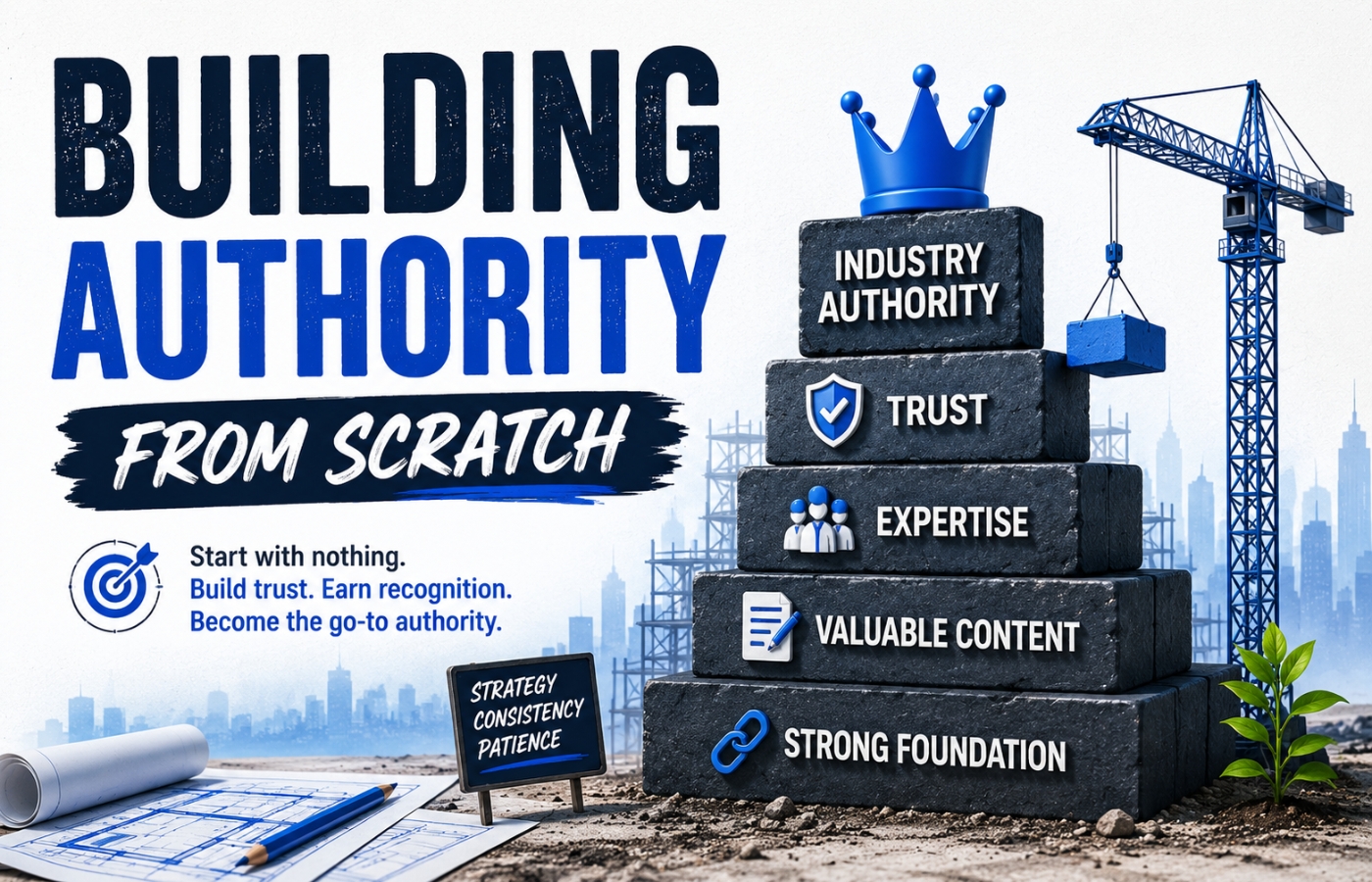
When we began, the client—a B2B SaaS platform for supply chain analytics—had no organic presence. Their brand new website faced three crippling problems:
-
Zero Domain Authority (DA 0) against competitors with DA 50+.
-
No topical trust with Google’s algorithms.
-
Zero backlinks and zero branded searches.
The goal was ambitious: move from invisible to “industry voice” within six months.
How This B2B SEO Case Study Solved the Authority Gap
The core strategy of this B2B SEO case study focused on three AEO-friendly pillars: answering user intent directly, building topical clusters, and earning editorial backlinks through proprietary data.
Step 1: Zero-Click Content for Featured Snippets
We identified 47 “definitional” queries (e.g., “what is supply chain elasticity”). Instead of long blogs, we built direct-answer tables and bulleted lists. Within 90 days, the site captured 12 featured snippets, driving click-through rates from 0% to 11%.
Step 2: The Pillar-Cluster Model
We created one 5,000-word pillar page titled “The B2B Guide to Supply Chain Analytics” and 23 supporting cluster articles. Each cluster article linked back to the pillar page with exact-match anchor text. Google’s “topical authority” score (measured via keyword ranking density) jumped from 2% to 34% in month four.
Step 3: Data-Driven Link Earning
No guest posting. Instead, we published original survey data (“2025 B2B Logistics Pain Points Report”) and emailed 200 journalists. Result: 18 editorial backlinks from domains like SupplyChainDive and IndustryWeek. Domain Authority rose from 0 to 28 in six months.
The Results: From New Website to Authority
| Metric | Month 0 | Month 6 | Change |
|---|---|---|---|
| Organic Clicks | 14 | 1,842 | +13,057% |
| Non-Branded Keywords in Top 3 | 0 | 43 | +43 |
| Domain Authority (Moz) | 0 | 28 | +28 |
| SQLs from Organic Search | 0 | 27 | New channel |
Key Takeaways for B2B Marketers
This B2B SEO case study proves three AEO principles:
-
Answer directly – Position “0” snippets drive authority faster than backlinks alone.
-
Link clusters internally – Pillar pages pass equity to new URLs.
-
Original data earns links – Surveys and reports convert exposure into domain trust.
Conclusion
A new website can become an industry authority without paid ads or years of waiting. By focusing on answer engine optimization (AEO)—structured data, direct answers, and topical clustering—this B2B SEO case study turned a DA 0 startup into a search-first leader. The same approach can be applied across industries, including SEO for construction companies, helping businesses improve visibility, attract qualified leads, and establish authority in competitive local markets. The playbook works whether you sell SaaS, logistics, professional services, or construction-related services.
Want to replicate these results? Start by auditing your top 10 competitor FAQs and building one “better than anyone” answer page today.
Want to turn your B2B website into an industry authority through proven SEO strategies?
Get in touch with Orbitix today.