





What Is Generative Media and How Is It Changing Visual Marketing?
What Is Generative Media?
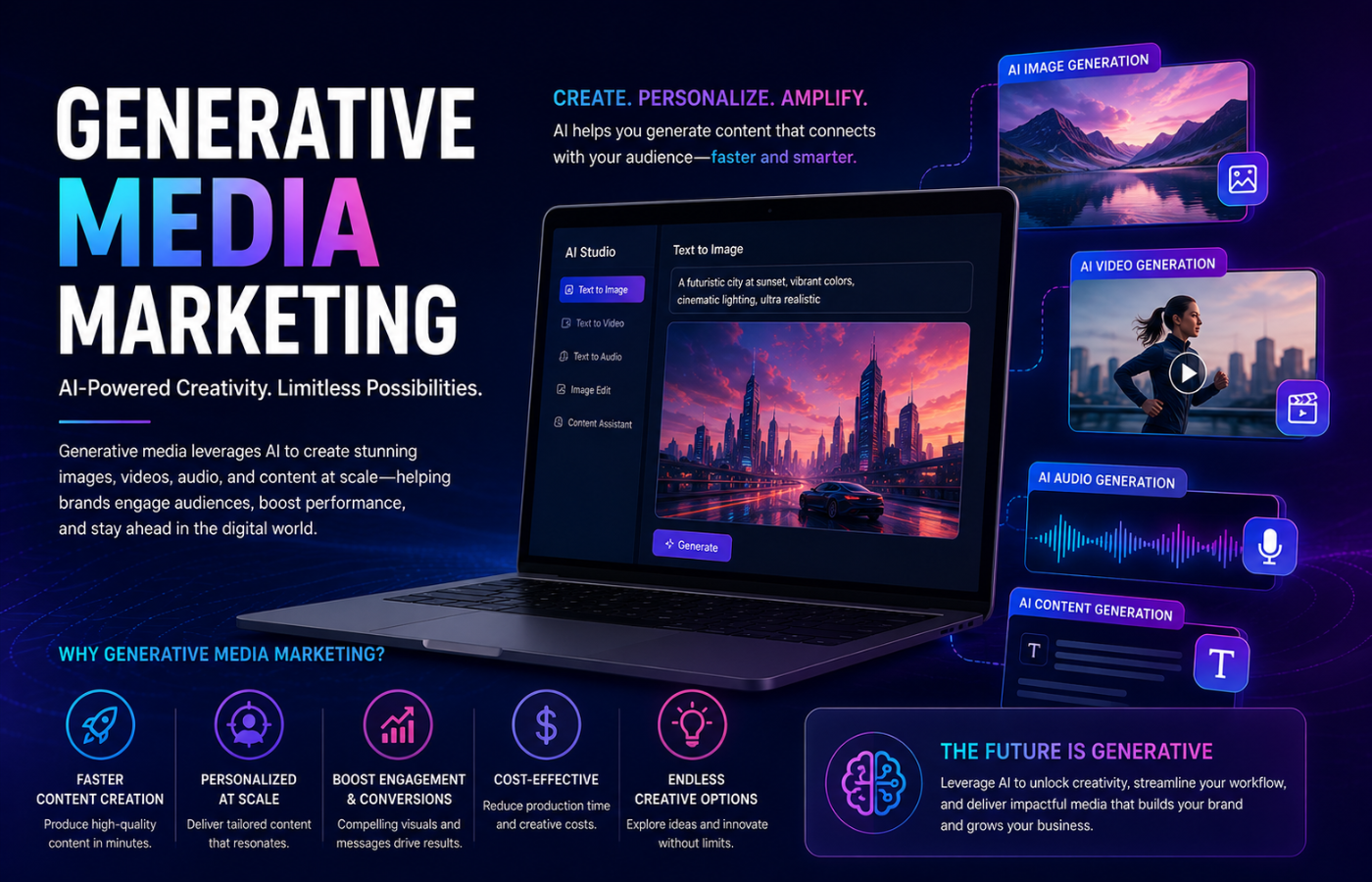
Generative media refers to content — including images, videos, audio, and 3D models — created by artificial intelligence models trained on vast datasets of existing visual content. These models learn patterns, styles, and structures, then generate entirely new outputs based on user prompts . In marketing, this means brands can produce custom visuals tailored to specific audiences, campaigns, and even individual customers.
How Generative Media Is Changing Visual Marketing
The impact of generative media marketing is already visible across the advertising industry:
Personalised Visual Ads at Scale
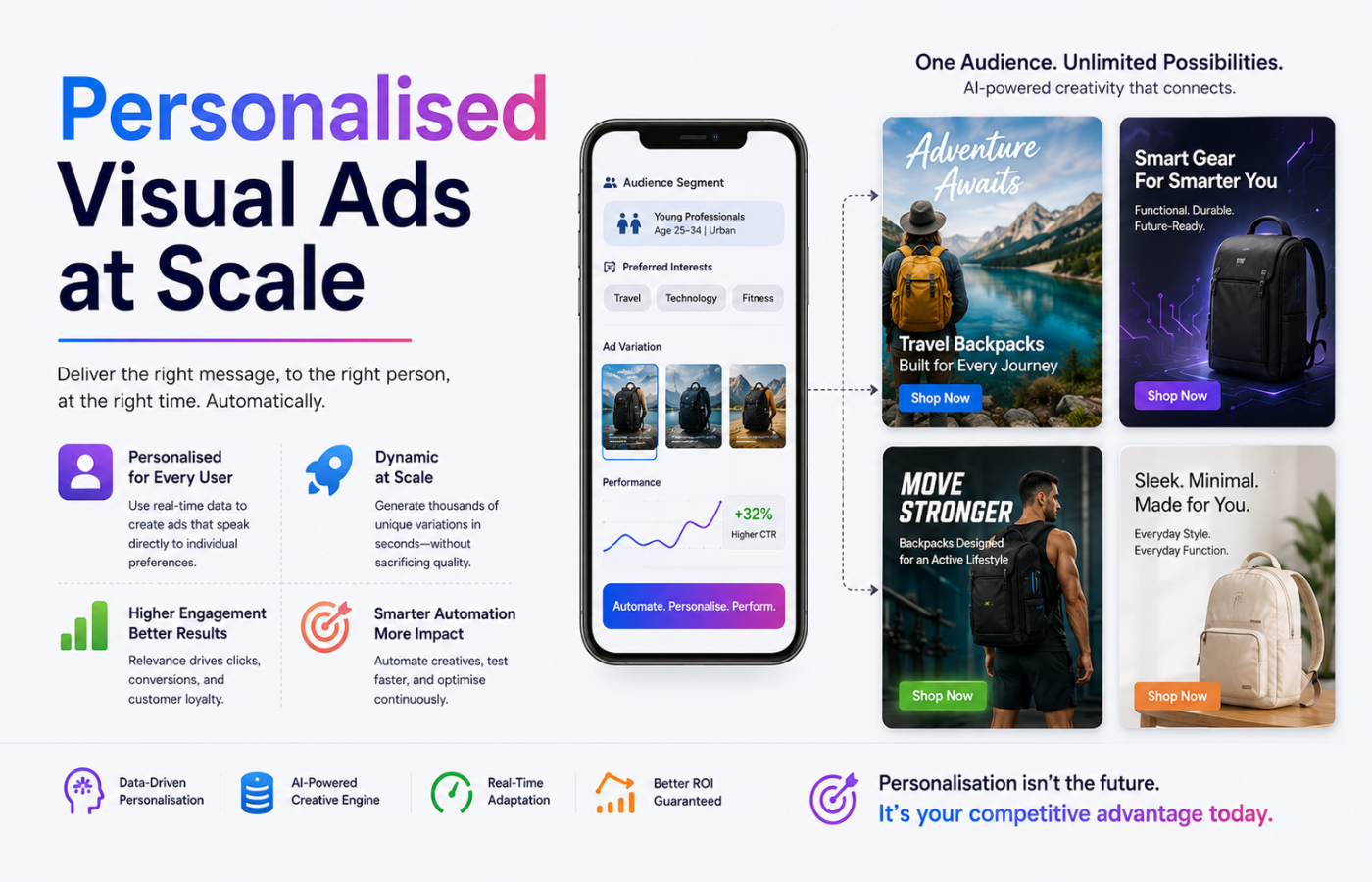
Traditional advertising relies on a handful of generic creatives shown to everyone. Generative media changes this entirely. A study by MIT researchers found that AI-generated personalised video ads achieved 9.4% higher click-through rates than personalised image ads and 6.5% higher than generic videos . The ability to create custom videos featuring a viewer’s name, preferences, or purchase history is transforming email and social media marketing.
Cost and Speed Advantages
Producing a single professional photoshoot can cost £2,000 to £50,000 . Generative media slashes these costs dramatically. Agencies like BarkleyOKRP used Google’s generative media models to create a full retro radio station campaign for Slice soda, generating lyrics, music, visuals, and DJ voices — all within weeks, achieving 119 million impressions and 45,700 online streams .
Brand Consistency at Scale
Moncler partnered with agency R/GA to create “A Journey from Mountains to the City,” an AI-driven brand film that maintained cinematic quality and luxury aesthetic across all visuals . Generative media allows luxury brands to scale content production without diluting their visual identity.
New Ad Formats and Experiences
Generative media is enabling entirely new ad formats. InMobi predicts that by the end of 2026, consumers will interact with AI-powered ad formats directly — similar to speaking with a store employee — rather than clicking and leaving a site . This shift from “one and done” ads to conversational, personalised experiences is redefining customer engagement.
Agentic AI and Visual Commerce
Platforms like Glance use AI to visualise products on consumers — showing how a shirt looks on their body or how furniture fits in their room . This visual advantage dramatically increases purchase intent, with some merchants reporting “off the charts” return on ad spend.
What Marketers Need to Know
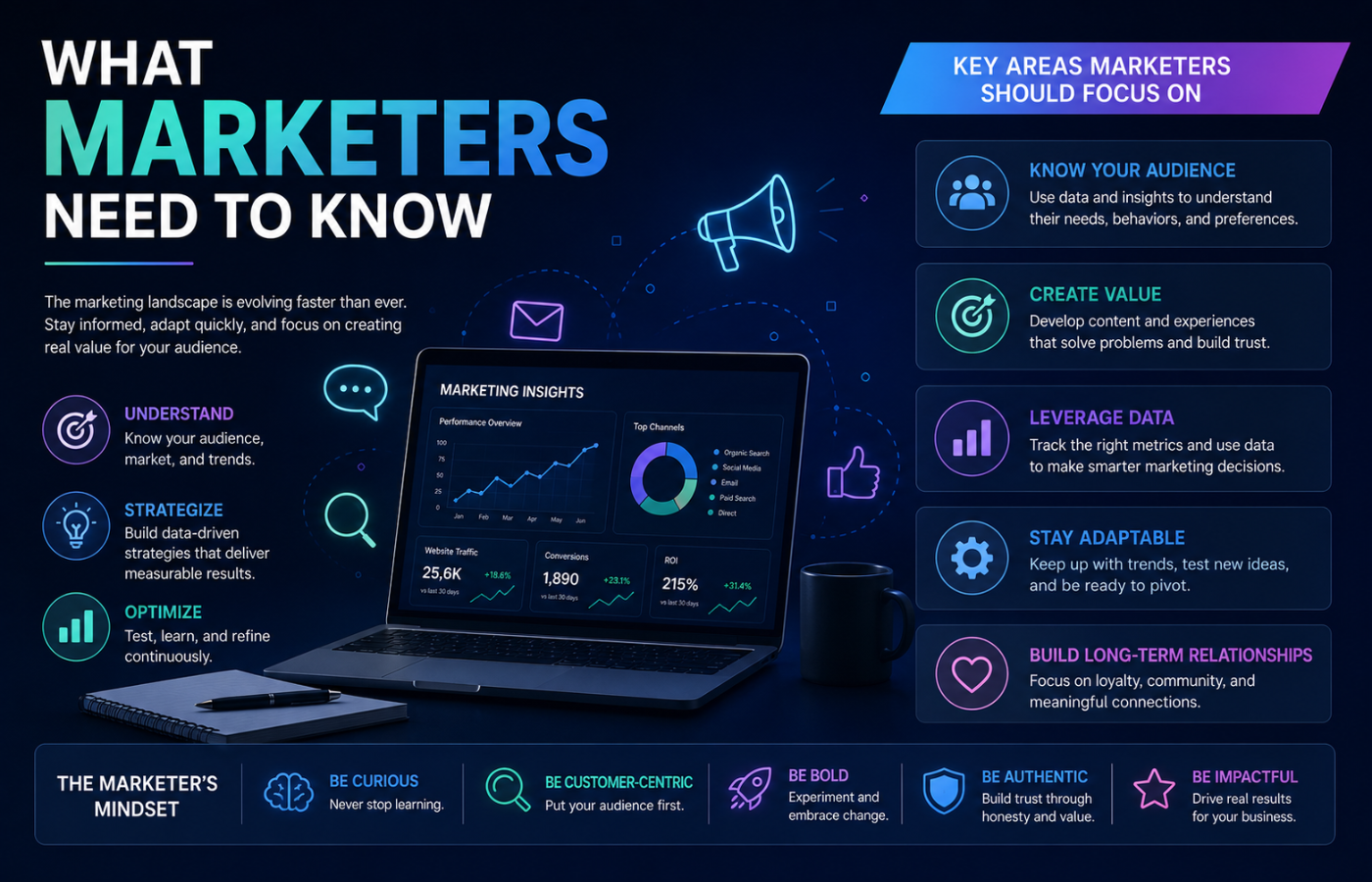
Generative media offers incredible potential, but it comes with considerations:
| Opportunity | Challenge |
|---|---|
| Personalised video at scale | Novelty may wear off over time |
| Dramatic cost reduction | Over-personalisation can feel intrusive |
| Faster campaign iteration | Quality control at scale |
| Infinite creative variants | Consumer skepticism toward AI-generated content |
Research shows that when brands demonstrate prosocial leadership — using AI ethically and transparently — negative consumer reactions diminish significantly . The most effective generative campaigns use AI as a production tool, not a creative replacement, with heavy human involvement guiding outputs .
Conclusion: A New Era of Visual Marketing
Want to harness generative media for your brand — creating personalised, high-performing visual content at scale without sacrificing quality or trust?
Get in touch with Orbitix today.