







Inbound Marketing Strategy: How to Grow Your Brand and Attract More Customers
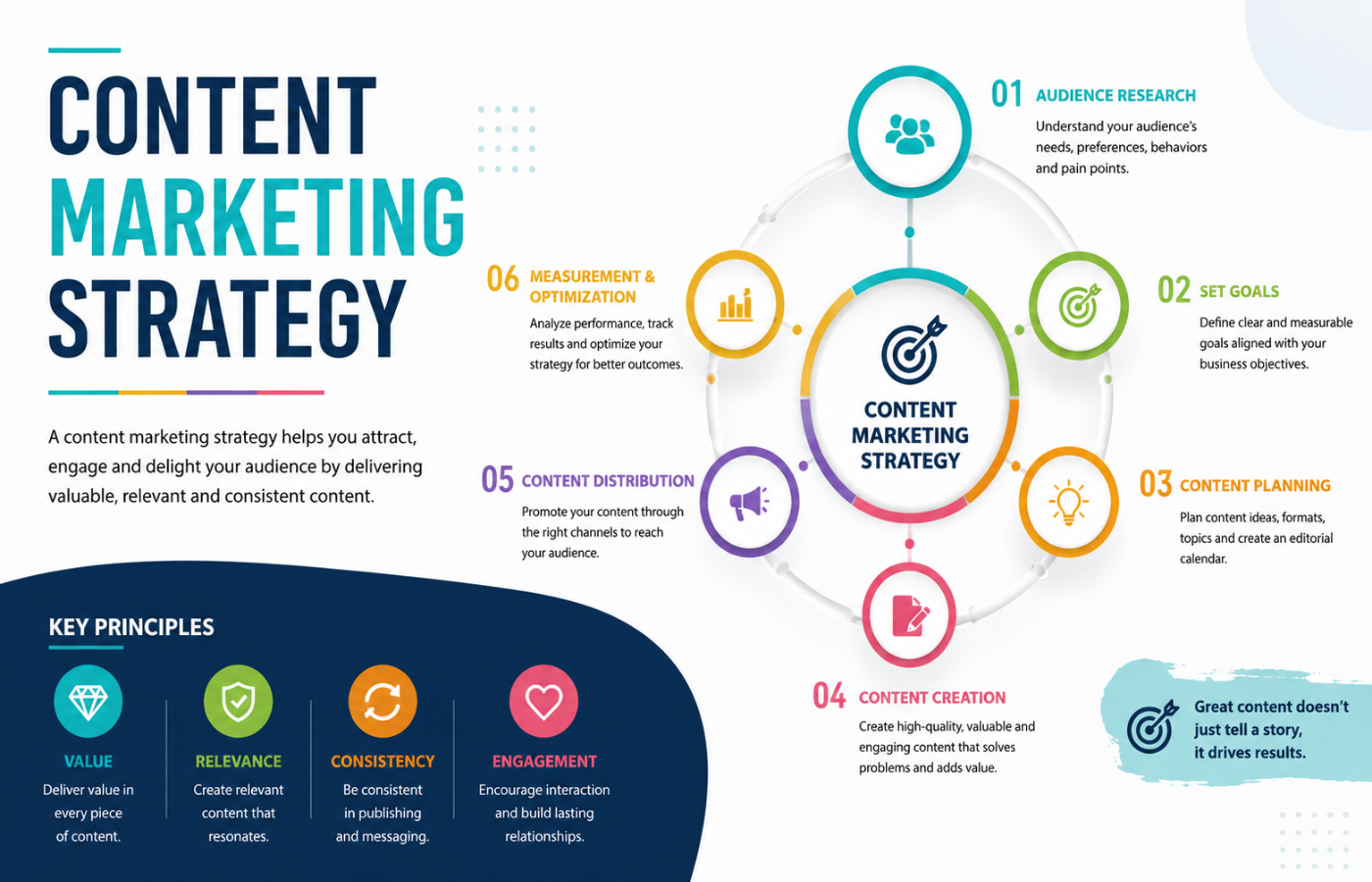
A well-executed content marketing strategy is the engine behind every successful inbound marketing campaign. While outbound marketing interrupts people with ads they did not ask for, inbound marketing attracts customers by creating content they actually want to consume. A strong content marketing strategy aligns your blog posts, videos, guides, and social media with the specific questions your ideal customers are asking at every stage of their journey. This approach is especially valuable for SEO for small businesses, as it helps attract targeted organic traffic, build trust, and compete with larger brands without relying heavily on paid advertising. When done right, content marketing turns strangers into visitors, visitors into leads, and leads into loyal customers — all without expensive ad spend.
Why Outbound Marketing Is Losing Its Edge
Traditional advertising is getting more expensive and less effective. Ad blockers are everywhere, social media algorithms prioritise friends over brands, and consumers are tired of being sold to. Inbound marketing flips the script: instead of chasing customers, you attract them by being genuinely helpful. The key is a content marketing strategy that delivers value before asking for anything in return.
How a Content Marketing Strategy Drives Inbound Growth
A strategic content marketing strategy follows a proven framework to attract, engage, and delight customers:
1. Know Your Audience (Create Buyer Personas)
You cannot create content that resonates if you do not know who you are talking to. Start with detailed buyer personas including:
-
Demographics (age, location, income, job title)
-
Pain points and challenges
-
Goals and aspirations
-
Preferred content formats (blogs, videos, podcasts, infographics)
-
Where they consume content (LinkedIn, Instagram, email, YouTube)
What to ask: “What keeps my ideal customer up at night? What do they Google at 2 AM?”
2. Map Content to the Buyer’s Journey
Not all content is for all stages. Map your content to the three stages of the buyer’s journey:
| Stage | Customer Mindset | Content Type | Example |
|---|---|---|---|
| Awareness | “I have a problem.” | Blog posts, guides, how-to videos | “How to fix a leaking tap” |
| Consideration | “What are my options?” | Comparison guides, case studies, webinars | “Plumber vs DIY: Which is right for you?” |
| Decision | “I’m ready to buy.” | Testimonials, free trials, demos, pricing pages | “Book a plumber online” |
3. Choose the Right Content Formats
Different audiences prefer different formats. A B2B decision-maker might prefer whitepapers; a Gen Z consumer might prefer TikTok videos. Mix formats based on your audience:
-
Blog posts: SEO foundation, educational content
-
Video: Highly engaging, builds trust quickly
-
Infographics: Visual summaries of complex topics
-
Podcasts: Convenient for commuters and multitaskers
-
E-books/guides: Lead magnets (exchange email for download)
-
Case studies: Proof of results for decision-stage buyers
-
Social media: Distribution and brand awareness
4. Create a Content Calendar (And Stick to It)
Consistency beats perfection. A content calendar helps you plan, schedule, and track every piece of content.
What to include in your calendar:
-
Topic and title
-
Target keyword(s)
-
Buyer journey stage
-
Format type
-
Publish date and platform
-
Person responsible
-
Promotion plan (email, social, paid)
Frequency guideline: Start with one high-quality blog post per week, plus daily social posts and one monthly lead magnet (e-book, webinar, checklist).
5. Optimise Every Piece for SEO
Your content marketing strategy must include SEO fundamentals:
-
Keyword research (as covered in our previous guide)
-
Compelling titles and meta descriptions (with keywords)
-
Internal linking (link to related content)
-
Image alt text (including relevant keywords)
-
Mobile optimisation (over 60% of traffic is mobile)
-
Fast load times (Core Web Vitals)
6. Promote Your Content (Don’t Just Publish)
Great content does not get found on its own. Promotion is as important as creation:
-
Email newsletter: Share new content with your list
-
Social media: Post multiple times across platforms (different angles)
-
Paid promotion: Amplify top-performing content with targeted ads
-
Influencer outreach: Ask industry voices to share your content
-
Repurpose content: Turn a blog post into a LinkedIn article, a Twitter thread, and a video script
7. Capture Leads With Strategic CTAs
Every piece of content should have a next step. Add CTAs that match the buyer’s journey stage:
-
Top of funnel: “Subscribe to our newsletter for more tips”
-
Middle of funnel: “Download our free checklist” (lead magnet)
-
Bottom of funnel: “Book a free consultation” or “Start your free trial”
8. Analyse and Optimise Continuously
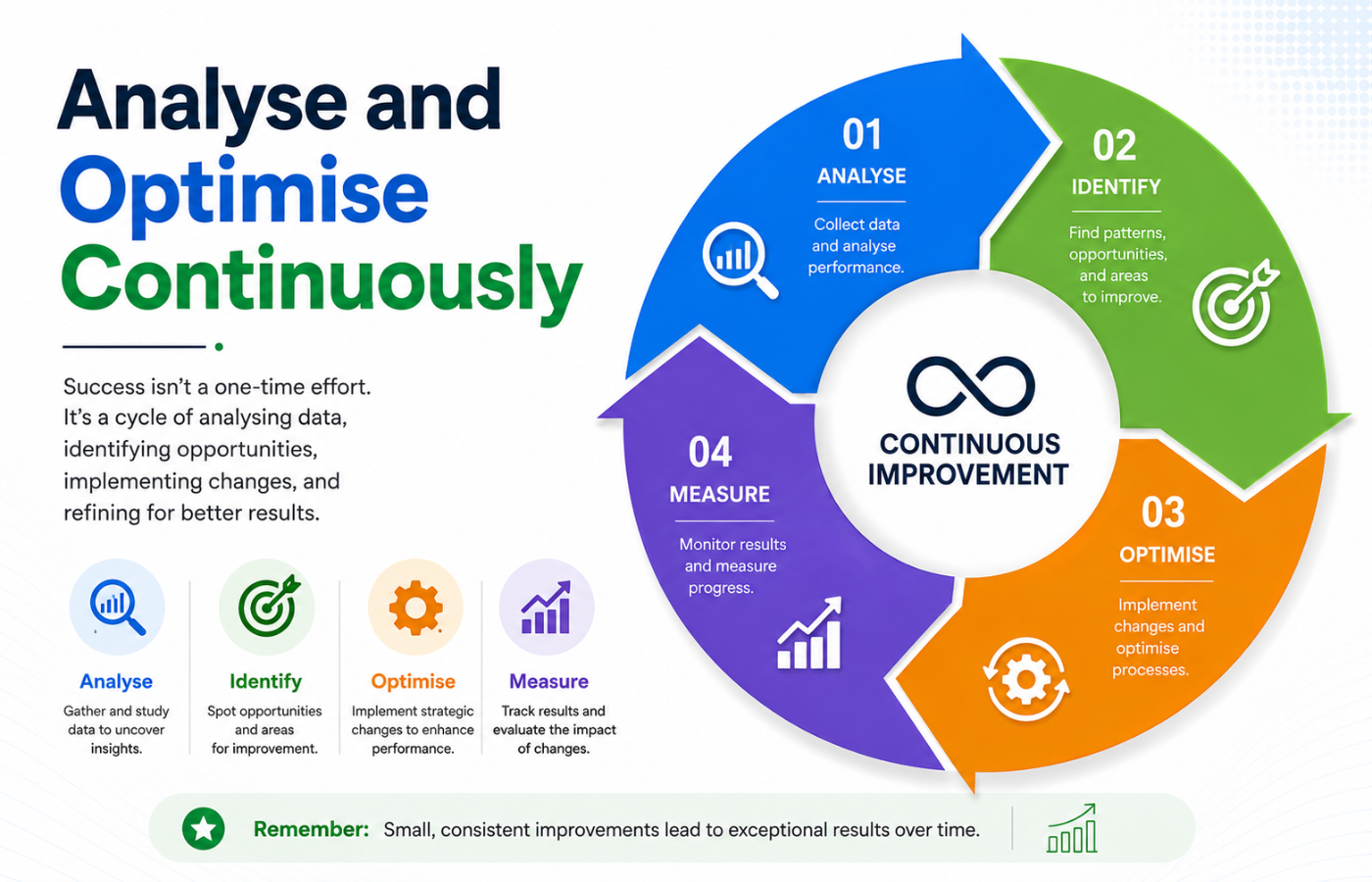
Content marketing is not set and forget. Track performance and adjust:
| Metric | What It Tells You | Action |
|---|---|---|
| Organic traffic | Are people finding your content? | Improve SEO, target new keywords |
| Time on page | Are they actually reading? | Improve content quality, add more depth |
| Bounce rate | Is the content relevant? | Better matching of title to content |
| Conversion rate | Is content driving leads? | Add clearer CTAs, improve lead magnets |
| Social shares | Is it resonating? | Create more shareable content |
The Inbound Marketing Flywheel
| Stage | Action | Content Role |
|---|---|---|
| Attract | Bring strangers to your site | Blog posts, social content, SEO, videos |
| Engage | Turn visitors into leads | Lead magnets (e-books, checklists), email newsletters |
| Delight | Turn customers into advocates | Case studies, referral programmes, exclusive content for customers |
Common Content Marketing Mistake
| Mistake | Why It Fails | Fix |
|---|---|---|
| No clear strategy | Random posts with no purpose | Create a documented content plan |
| Ignoring SEO | Nobody finds your content | Do keyword research before writing |
| Inconsistent publishing | Lose momentum and trust | Commit to a realistic schedule |
| No CTAs | Traffic that never converts | Add clear next steps to every piece |
| Not repurposing content | Wasting content potential | Turn one blog into 5+ pieces for different platforms |
| No promotion | Great content goes unseen | Spend 40% of your time on promotion |
Tools for Content Marketing
| Tool | Purpose |
|---|---|
| Google Analytics | Track traffic, behaviour, conversions |
| Ahrefs/Semrush | Keyword research, competitor analysis |
| Notion/Trello/Asana | Content calendar and workflow |
| Canva | Create graphics and social images |
| Mailchimp/Klaviyo | Email marketing (send content to your list) |
| Buffer/Hootsuite | Schedule social media posts |
| Grammarly | Proofreading and editing |
Measuring Content Marketing ROI
Track these metrics monthly:
-
Lead generation from content (how many leads came from each piece?)
-
Cost per lead (content creation cost ÷ leads generated)
-
Organic traffic growth (month over month, year over year)
-
Email list growth (new subscribers from content)
-
Social engagement (shares, comments, saves)
-
Conversion rate by content type (which formats drive the most leads?)
Conclusion: Content Is Your Most Valuable Asset
Inbound marketing is not a quick fix — it is a long-term investment in brand authority and customer trust. A strategic content marketing strategy, combined with effective SEO content writing, ensures that every blog post, video, and social update works together to attract the right audience, educate them, and guide them toward your solution. The businesses that commit to consistent, helpful, optimized, and search-friendly content will win in the long run.
Want a content marketing strategy that attracts the right audience, builds trust, and converts readers into customers — month after month?
Get in touch with Orbitix today.