








The Future of Copywriting: Essential Techniques and Trends for 2026
Content copywriting is undergoing its most significant transformation since the birth of digital marketing. The rise of generative AI has fundamentally altered the copywriter’s role, creating new challenges and opportunities for those who can adapt. Today, effective content copywriting serves two readers simultaneously: the human audience you are writing for and the AI systems that summarise, filter, and interpret your message before the human ever sees it. This shift is also influencing related disciplines such as Video Marketing, where compelling scripts and audience-focused storytelling are becoming increasingly important for engaging viewers across digital platforms. As AI-generated content floods every channel, the brands that cut through the noise are those treating AI as a strategic tool—not a replacement—for crafting copy that speaks to real human motivations.
Why Copywriting in 2026 Is Different
For decades, copywriting had a clear mandate: write persuasively for human readers. That model is breaking. AI tools are now used to digest inboxes, create custom news feeds, and summarise marketing emails . If your copy doesn’t translate well through an AI lens—if your storytelling is so elaborate that the machine misinterprets your core message—nobody clicks through to read it . The copywriter’s job hasn’t gotten easier with AI; it has become more complex.
Essential Content Copywriting Techniques for 2026
Mastering content copywriting in 2026 requires a blend of timeless principles and new strategies:
1. Write for Both Humans and AI
Copy now has two readers: the human you’re writing for and the AI that’s summarising your message . To succeed, you must:
-
Write persuasively for humans while maintaining clarity for AI interpretation
-
Understand how LLMs interpret narrative structure, metaphor, and implication
-
Balance storytelling depth with machine readability
2. Embrace Human Authenticity (AI Cannot Replace)
Audiences are increasingly skeptical of AI-generated content. Data from CivicScience shows 36% of consumers can spot AI in a brand’s marketing and won’t do business with them when they do . The most effective content copywriting now emphasises:
-
Real testimonials from real people (not AI-generated photos or text)
-
Human-centred case studies with specific results and personal stories
-
Genuine expertise demonstrated through original research and proprietary data
3. Leverage Data-Driven Optimisation
Modern copywriting is increasingly data-driven, relying on analytics, A/B testing, and user behaviour insights to refine messaging. Key practices include:
-
Tracking conversion rate, time on page, and click-through rate to measure effectiveness
-
Testing headlines and CTAs with A/B tools to let data guide revisions
-
Using interactive content (quizzes, calculators, polls) to boost engagement—users spend 13 minutes on interactive content versus 8-9 minutes on static pages
4. Build Trust Through Social Proof
With AI-generated content everywhere, real human voices stand out. Trust blocks are becoming the focus of effective landing pages:
-
Display customer testimonials prominently (they are your most powerful sales tool)
-
Showcase case studies featuring real client stories
-
Include partner logos, client-verified data, and industry certifications
5. Create Topic Authority Through Long-Form Content
Blogging and long-form content are experiencing a powerful renaissance. LLMs prioritise reliable, in-depth content over ephemeral social media posts . To be visible, you need to:
-
Demonstrate genuine expertise with original data and insights
-
Use structured data (schema markup) to signal E-E-A-T (Experience, Expertise, Authoritativeness, Trustworthiness)
-
Create content that AI systems can confidently cite and recommend
6. Maintain a Distinct Brand Voice
With 85% of marketers using AI for content creation, brand voices are converging on the same bland tone and tired language . To stand out from the “sea of sameness”:
-
Train models on brand-specific data, not generic LLMs
-
Establish systematic approaches to tone and voice
-
Add empathy and your own style to every piece of content
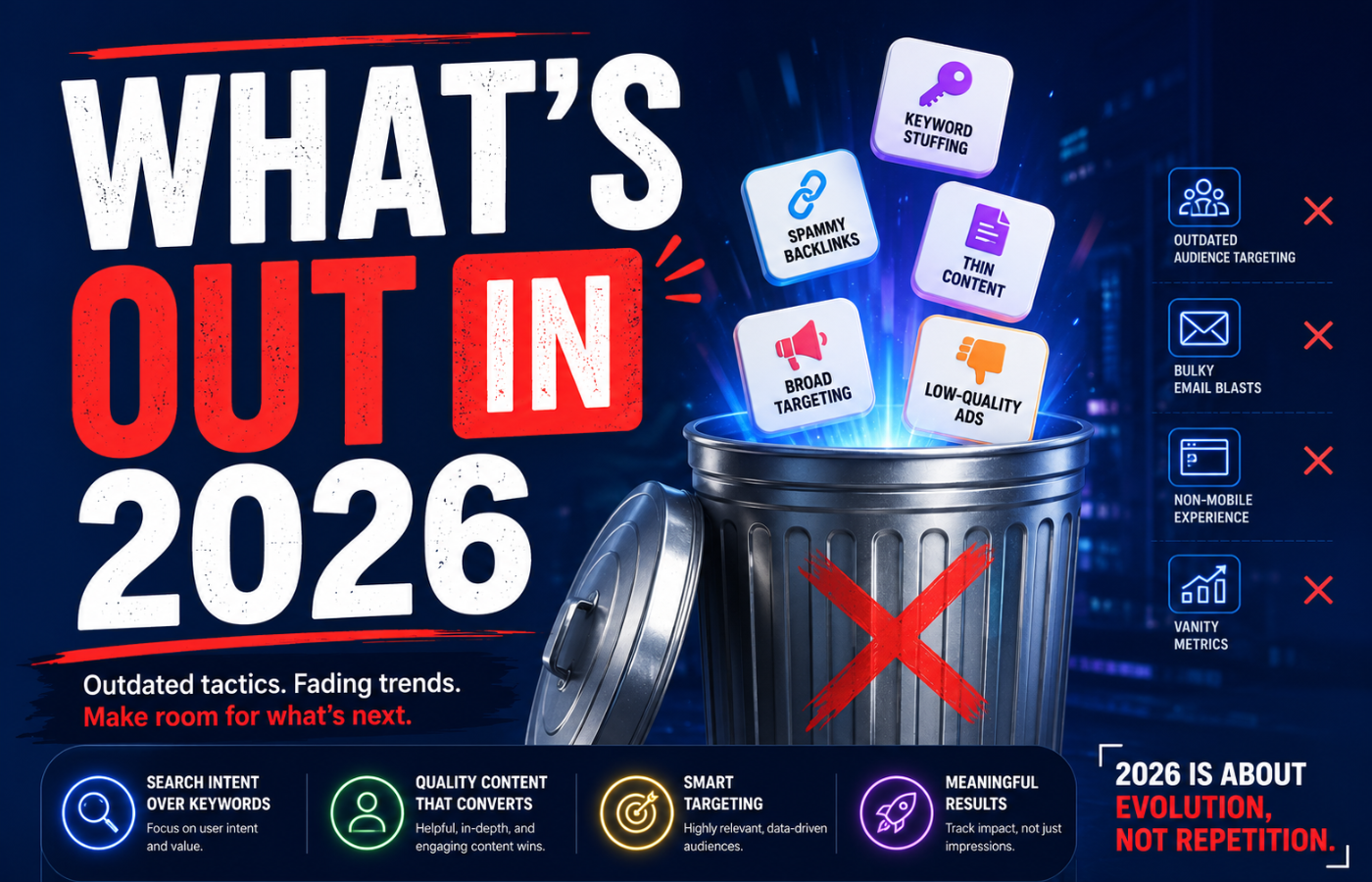
What’s Out in 2026
-
Generic, AI-only content: Low-quality “slop” is being tuned out by audiences and penalised by search engines
-
Keyword stuffing: Google’s AI now interprets context and intent, making superficial optimisation ineffective
-
Vanilla brand voice: Brands that sound like everyone else lose trust and engagement
-
Ignoring AI as a gatekeeper: If your copy doesn’t survive AI summarisation, it dies unread
Conclusion: The Copywriter’s Role Has Evolved, Not Ended
Content copywriting in 2026 is not about resisting AI or surrendering to it. The ongoing debate around AI vs Content Marketers misses the bigger picture: the most successful content strategies will combine the strengths of both. The best copywriters will be those who understand how to write in a way that serves both readers—human and machine—simultaneously. AI provides the tools for speed and scale, but the strategy, judgment, and authentic voice that drive conversions still require a human touch. The brands that invest in genuine expertise, human-centred storytelling, and a distinctive brand voice will thrive in an AI-first world.
Want content copywriting that stands out from the sea of AI sameness—and actually converts readers into customers?
Get in touch with Orbitix today.